

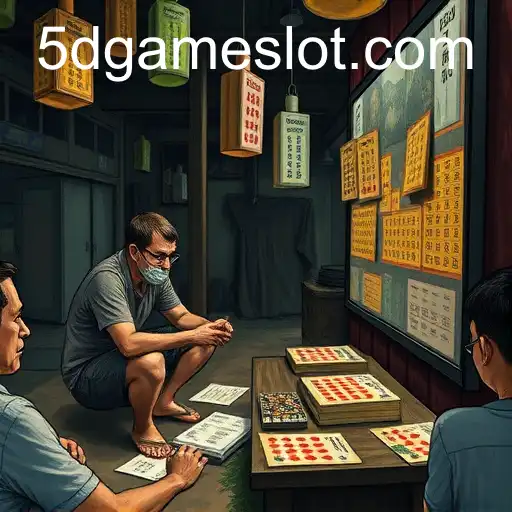
5DGAME | Lottery Games: The Rise of 5DGAME
Exploring the Exciting World of Lottery Games
Lottery games have long captivated the imagination and hopes of millions around the world. A form of gambling that involves the drawing of numbers for a prize, lotteries are found in nearly every corner of the globe, providing players with the chance to dream big. In recent years, the emergence of innovative lottery formats like "5DGAME" has added a new layer of excitement to this age-old pastime. In this article, we delve into the fascinating realm of lotteries, highlighting key aspects of their gameplay, the rise of 5DGAME, and their role in today's entertainment landscape.
The Mechanics of Traditional Lottery Games
Traditional lottery games generally involve participants purchasing a ticket containing a set of numbers or symbols. The game concludes with a drawing, during which the winning numbers are randomly selected. Those who have tickets matching the drawn numbers win a prize. These games vary widely in terms of rules, frequency of draws, and prize structures.
The most common format involves players selecting a combination of numbers from a larger pool. For example, many lotteries ask players to choose 6 numbers out of a possible 49. The odds of winning are typically very low, making major payouts an enticing but rare event. Some lotteries, however, allow for smaller, more frequent winnings, keeping player interest high even when jackpots remain elusive.
Introducing 5DGAME: A Modern Twist
Among the latest innovations in the lottery sphere is the 5DGAME. This format represents a modern twist on conventional lottery mechanics, combining classic elements with novel features to enhance player experience. In 5DGAME, players engage in a multi-dimensional lottery, allowing for a broader range of outcomes and potentially higher winnings.
The 5DGAME format allows participants to choose more than just numbers. Players may select a combination of symbols, colors, and even digital codes. This unique approach is designed to appeal to tech-savvy audiences and provide a sense of engagement and interaction not typically seen in traditional lotteries. Additionally, the format incorporates immersive digital experiences and interactive gaming mechanics, creating a rich, multi-faceted experience that goes beyond conventional gaming.
The Appeal of Lottery Games
Lottery games resonate across generations and cultures for a multitude of reasons. Primarily, they offer the tantalizing prospect of transforming a small investment into a life-changing sum, even if the odds are slim. This allure of winning significant amounts quickly can push people into participating despite knowing the low probability of jackpot success.
Lotteries also provide a form of escapism, allowing people to indulge their fantasies of wealth and freedom. Such dreams are often fueled by stories of lucky winners whose lives have changed overnight. As a social activity, participating in lotteries also fosters a sense of community; friends and family often play together, while workplace groups commonly buy tickets as a collective endeavor.
Economic Impacts and Societal Contributions
Lotteries often play a significant role in the economic structure of many regions. In numerous jurisdictions, they are government-operated, with proceeds used to fund public projects such as education, infrastructure, and healthcare. This attribute allows lottery games to be viewed not merely as means of gambling but as contributors to societal development.
The economic impact extends to the community of lottery operators and retailers, developing opportunities for employment and entrepreneurship. Lottery-related advertising, marketing, and retailing further boost economic activities, embedding lotteries deeply within the financial ecosystem.
Challenges and Criticisms
Despite their popularity, lotteries are not without criticism. One significant concern is that they may cultivate addictive behaviors, enticing players to spend beyond their means. The decentralized nature of winnings can also create economic disparities, as winners often spend excessively without proper financial counsel.
Moreover, lotteries are often criticized for disproportionately affecting lower-income individuals, who might prioritize lottery spending over essential needs in hopes of striking it rich. To mitigate these concerns, many jurisdictions impose restrictions and create gambler support programs to promote responsible gaming.
Conclusion
Lottery games, including innovative formats like 5DGAME, continue to mesmerize players around the world, offering a blend of tradition and innovation. While they bring excitement and potential socio-economic benefits, they also pose challenges that need addressing through responsible regulation and consumer awareness. As new formats and technologies emerge, the future of lottery games promises to be as thrilling and unpredictable as the games themselves.


Google Sitemap